
Scientific Review: The Critical Role of Vitamin D3 (Cholecalciferol) in Pediatric Development (0–5 Years)
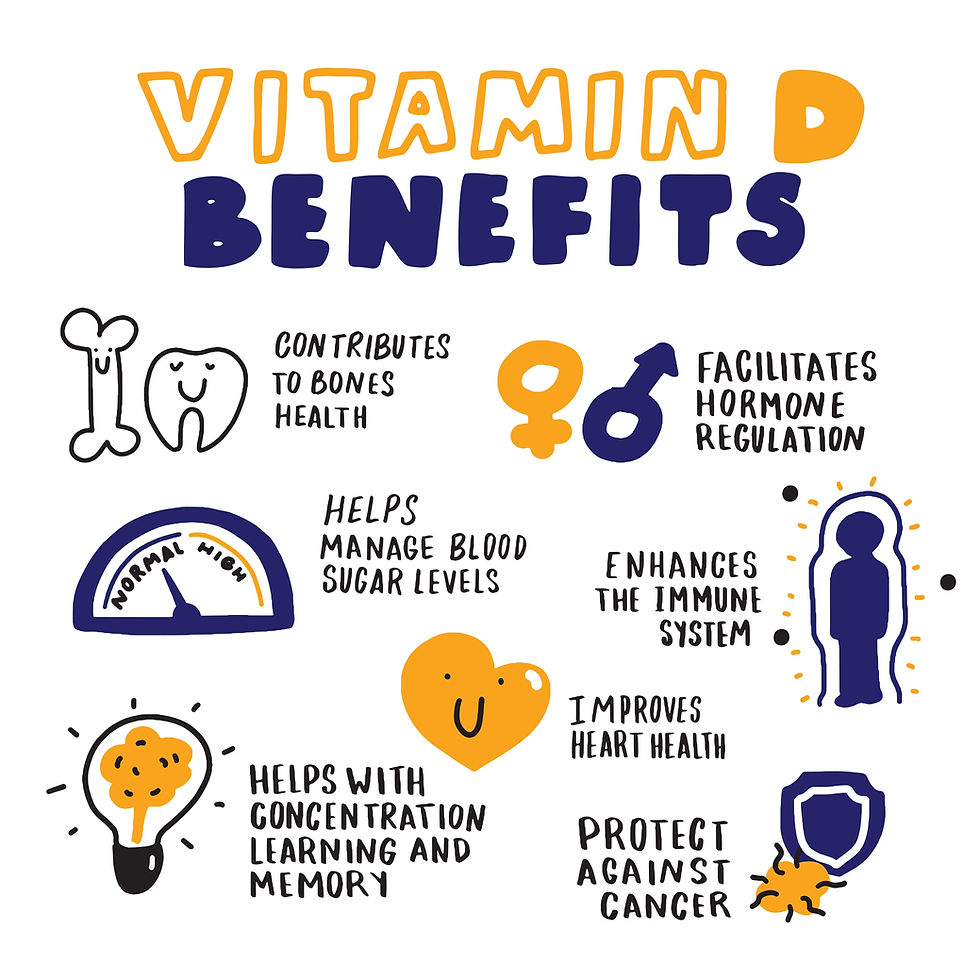
![Scientific Review: The Critical Role of Vitamin D3 (Cholecalciferol) in Pediatric Development (0–5 Years)Vitamin D3 is a secosteroid hormone that plays a foundational role in human physiology, particularly during the rapid growth phase from birth to age five. Beyond its classical role in calcium homeostasis, contemporary research highlights its function as a potent immunomodulator and a factor in neurodevelopment.1. Calcium Homeostasis and Skeletal IntegrityThe primary physiological role of vitamin D3 is the regulation of calcium and phosphorus absorption in the intestine. 1,25-dihydroxyvitamin D [$1,25(OH)_2D$] binds to the vitamin D receptor (VDR) in enterocytes, upregulating the expression of calcium-binding proteins (e.g., calbindin).Clinical Significance: Severe deficiency leads to nutritional rickets, characterized by a failure of osteoid mineralization at the growth plates. Even subclinical insufficiency is linked to decreased peak bone mass accrual, which is a significant predictor of osteoporosis risk in later life.2. Immunomodulation and Infection ProphylaxisThe VDR is expressed in almost all cells of the immune system, including macrophages, B-cells, and T-cells. Vitamin D3 enhances the innate immune response by stimulating the production of cathelicidin (LL-37), an endogenous antimicrobial peptide that disrupts the membranes of pathogens.Respiratory Health: Meta-analyses of randomized controlled trials (RCTs) indicate that vitamin D supplementation significantly reduces the risk of acute respiratory tract infections (ARTIs) in children, a leading cause of pediatric hospitalization.3. Neurodevelopmental ImplicationsVitamin D3 is increasingly recognized as a "neurosteroid." It influences brain ontogeny by regulating neurotrophic factors and gene expression involved in neurotransmission.Emerging Research: Epidemiological studies have observed correlations between low early-life vitamin D status and an increased risk of neurodevelopmental conditions, including Autism Spectrum Disorder (ASD). While further interventional trials are required, the biological plausibility remains a strong area of clinical focus.4. Recommended Serum ConcentrationsThe consensus for defining vitamin D status via serum 25-hydroxyvitamin D [$25(OH)D$] is as follows:Deficiency: $< 20$ ng/mL ($50$ nmol/L)Insufficiency: $20–29$ ng/mL ($50–75$ nmol/L)Sufficiency: $\geq 30$ ng/mL ($75$ nmol/L)](https://static.wixstatic.com/media/ba151e_a829c6efa63a4f9f9e79d517b323f4b7~mv2.png/v1/fill/w_980,h_980,al_c,q_90,usm_0.66_1.00_0.01,enc_avif,quality_auto/ba151e_a829c6efa63a4f9f9e79d517b323f4b7~mv2.png)
Vitamin D3 is a secosteroid hormone that plays a foundational role in human physiology, particularly during the rapid growth phase from birth to age five. Beyond its classical role in calcium homeostasis, contemporary research highlights its function as a potent immunomodulator and a factor in neurodevelopment.
1. Calcium Homeostasis and Skeletal Integrity
The primary physiological role of vitamin D3 is the regulation of calcium and phosphorus absorption in the intestine. 1,25-dihydroxyvitamin D [1,25(OH)_2D] binds to the vitamin D receptor (VDR) in enterocytes, upregulating the expression of calcium-binding proteins (e.g., calbindin).
Clinical Significance: Severe deficiency leads to nutritional rickets, characterized by a failure of osteoid mineralization at the growth plates. Even subclinical insufficiency is linked to decreased peak bone mass accrual, which is a significant predictor of osteoporosis risk in later life.
2. Immunomodulation and Infection Prophylaxis
The VDR is expressed in almost all cells of the immune system, including macrophages, B-cells, and T-cells. Vitamin D3 enhances the innate immune response by stimulating the production of cathelicidin (LL-37), an endogenous antimicrobial peptide that disrupts the membranes of pathogens.
Respiratory Health: Meta-analyses of randomized controlled trials (RCTs) indicate that vitamin D supplementation significantly reduces the risk of acute respiratory tract infections (ARTIs) in children, a leading cause of pediatric hospitalization.
3. Neurodevelopmental Implications
Vitamin D3 is increasingly recognized as a "neurosteroid." It influences brain ontogeny by regulating neurotrophic factors and gene expression involved in neurotransmission.
Emerging Research: Epidemiological studies have observed correlations between low early-life vitamin D status and an increased risk of neurodevelopmental conditions, including Autism Spectrum Disorder (ASD). While further interventional trials are required, the biological plausibility remains a strong area of clinical focus.
4. Recommended Serum Concentrations
The consensus for defining Vitamin D status via serum 25-hydroxyvitamin D (25(OH)D) is as follows:
Deficiency: Less than 20 ng/mL (50 nmol/L)
Insufficiency: 20–29 ng/mL (50–75 nmol/L)
Sufficiency: 30 ng/mL (75 nmol/L) or higher
Conclusion
Vitamin D3 is a cornerstone of early childhood health. Its role as a prehormone influencing skeletal development, immune function, and potentially neurodevelopment, makes adequate status crucial from birth to five years. Preventing vitamin D deficiency, which can lead to debilitating conditions like rickets, is a critical public health goal. Beyond preventing deficiency, maintaining optimal vitamin D levels may offer additional health benefits, including a reduced risk of respiratory infections and autoimmune diseases.
Given the inherent difficulties in obtaining sufficient vitamin D from sunlight and diet, universal supplementation for infants and targeted supplementation for young children are proven and effective strategies to ensure a strong foundation for lifelong health and well-being. Healthcare providers and parents must work together to prioritize vitamin D3 adequacy during this critical developmental window. Continued research will undoubtedly further elucidate the profound impact of this remarkable molecule on pediatric health.
-----------------------------------------------------------------------------------------
Key Scientific References
Holick, M. F. (2007). Vitamin D deficiency. New England Journal of Medicine, 357(3), 266-281. (The foundational text on vitamin D metabolism and the mechanism of rickets).
American Academy of Pediatrics (AAP). (2008). Prevention of Rickets and Vitamin D Deficiency in Infants, Children, and Adolescents. Pediatrics, 122(5), 1142-1152. (The clinical guideline for the 400 IU/day supplementation standard).
Martineau, A. R., et al. (2017). Vitamin D supplementation to prevent acute respiratory tract infections: systematic review and meta-analysis of individual participant data. BMJ, 356, i6583. (A comprehensive analysis confirming the role of D3 in immune defense against infections).
Munns, C. F., et al. (2016). Global Consensus Recommendations on Prevention and Management of Nutritional Rickets. The Journal of Clinical Endocrinology & Metabolism, 101(2), 394-415. (International consensus on dosage and serum targets for the first 5 years of life).
Eyles, D. W., et al. (2013). Vitamin D in the emotional hippocampus. Nature Reviews Neuroscience, 14, 837. (Exploring the neurobiological pathways of vitamin D in brain development).
Wagner, C. L., & Greer, F. R. (2008). Vitamin D Supplementation in Infants, Children, and Adolescents. Pediatrics, 122(5). (Specific focus on breastfeeding and the necessity of oral drops in the first year).


Comments